Preparing for Seasonal Driving: Tips for New Drivers


Understanding the Challenges of Seasonal Driving
As a new driver, adapting to seasonal changes on the road can be daunting. Each season presents unique challenges that require specific skills and knowledge. Whether it's the icy roads of winter or the wet conditions of spring, being prepared is key to safe driving.
Winter Driving Tips
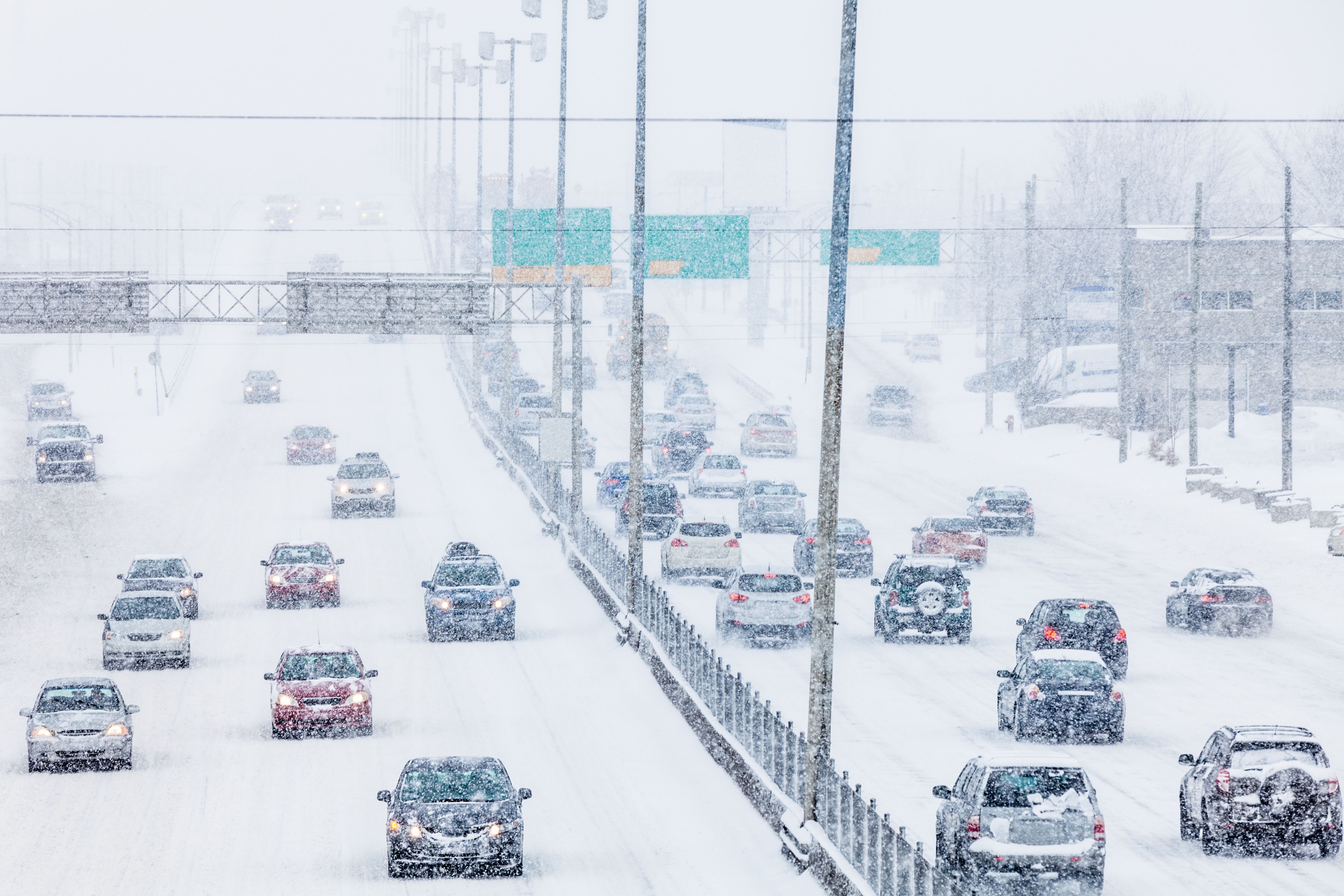
Winter is perhaps the most challenging season for drivers. Slippery roads, reduced visibility, and cold temperatures can create hazardous conditions. Here are some tips to help you navigate winter roads safely:
- Check your tires: Ensure your tires have adequate tread and are properly inflated. Consider using winter tires for better traction.
- Clear your vehicle: Remove all snow and ice from your windows, mirrors, and lights before driving.
- Increase following distance: Allow more space between you and the vehicle ahead to account for longer stopping distances on icy roads.
Spring Showers and Wet Roads
Spring brings rain, which can lead to slippery road surfaces and reduced visibility. Here are some precautions to take:
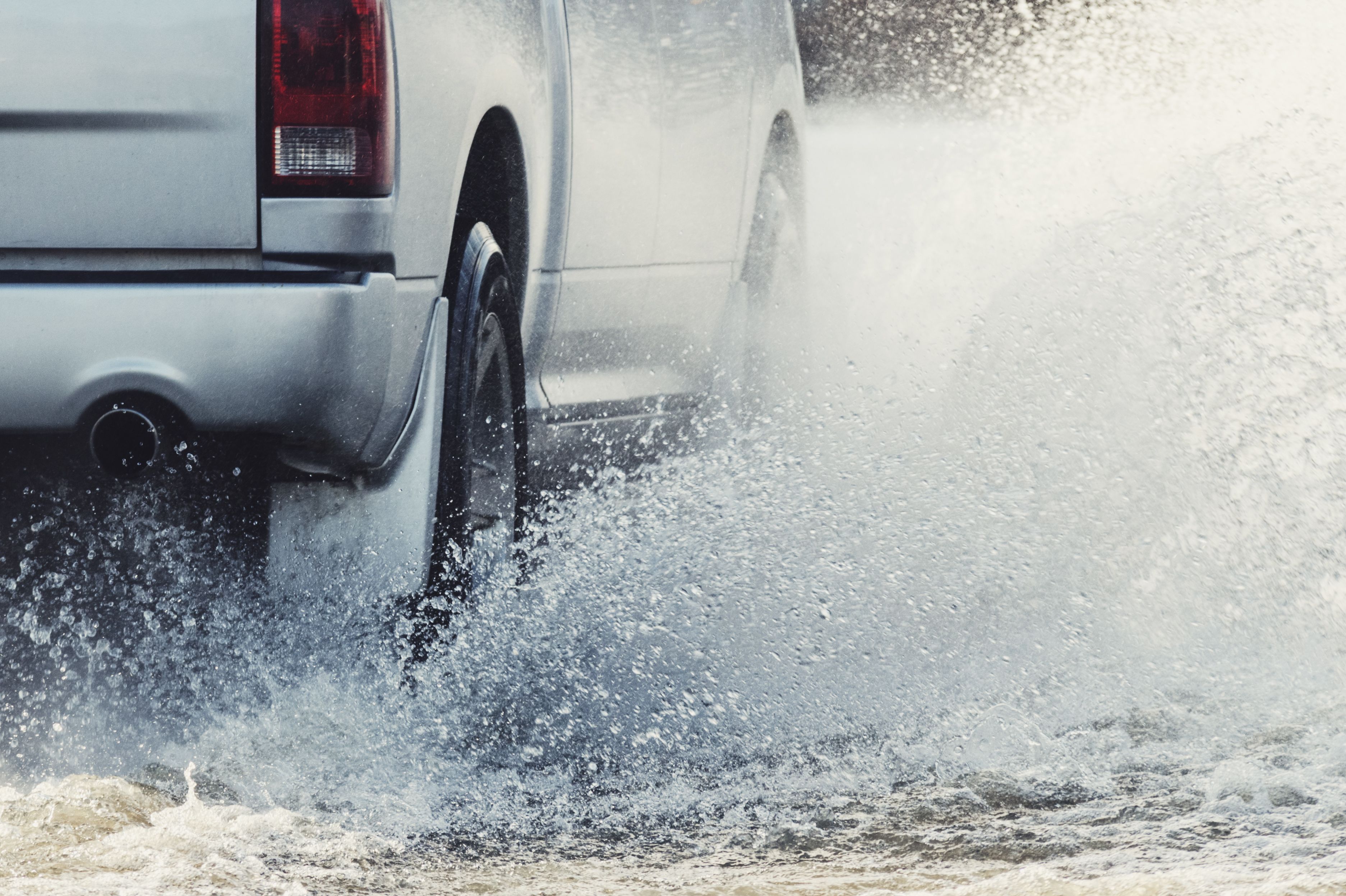
Slow down: Wet roads can cause hydroplaning, so reduce your speed to maintain control of your vehicle. Use the tread depth gauge on your tires to ensure they’re in good condition.
Use headlights: Turn on your headlights during rainy weather to improve visibility and help other drivers see you.
Summer Heat and Tire Care
While summer driving is often more predictable, high temperatures can affect your vehicle, especially the tires. Here's how to stay safe during the hot months:
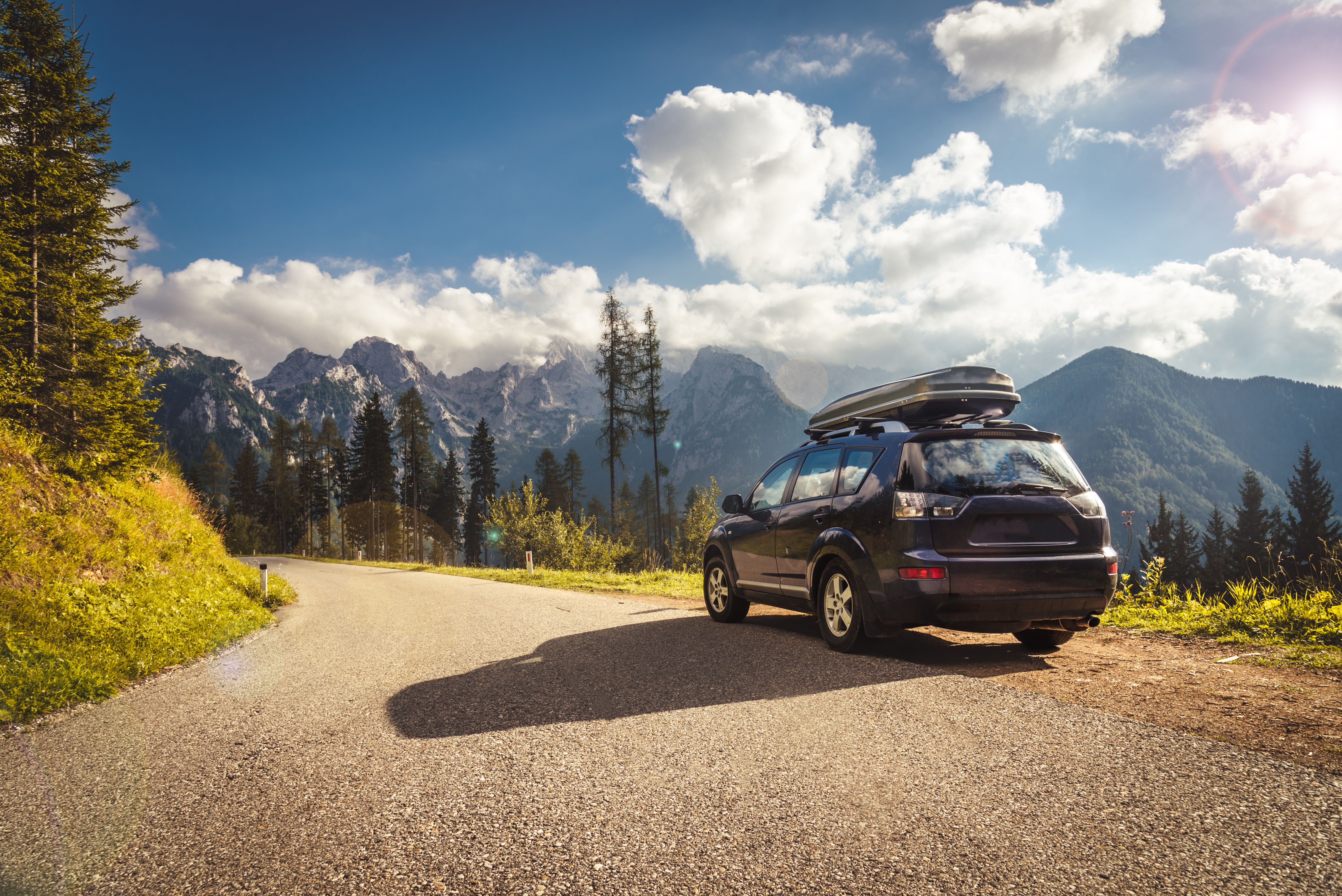
Monitor tire pressure: Heat can cause tire pressure to rise, increasing the risk of a blowout. Check your tire pressure regularly and adjust as needed.
Stay hydrated: Long drives can be tiring, so keep water handy to stay refreshed and alert.
Autumn Leaves and Fog
Autumn brings beautiful foliage, but fallen leaves can create slippery surfaces, and fog can obscure your view. To tackle these challenges:
- Drive cautiously over leaves: Wet leaves can be as slippery as ice, so reduce your speed when driving through them.
- Use fog lights: If your vehicle has fog lights, use them in foggy conditions to enhance visibility. Otherwise, use low beams.
Final Preparations for Safe Seasonal Driving
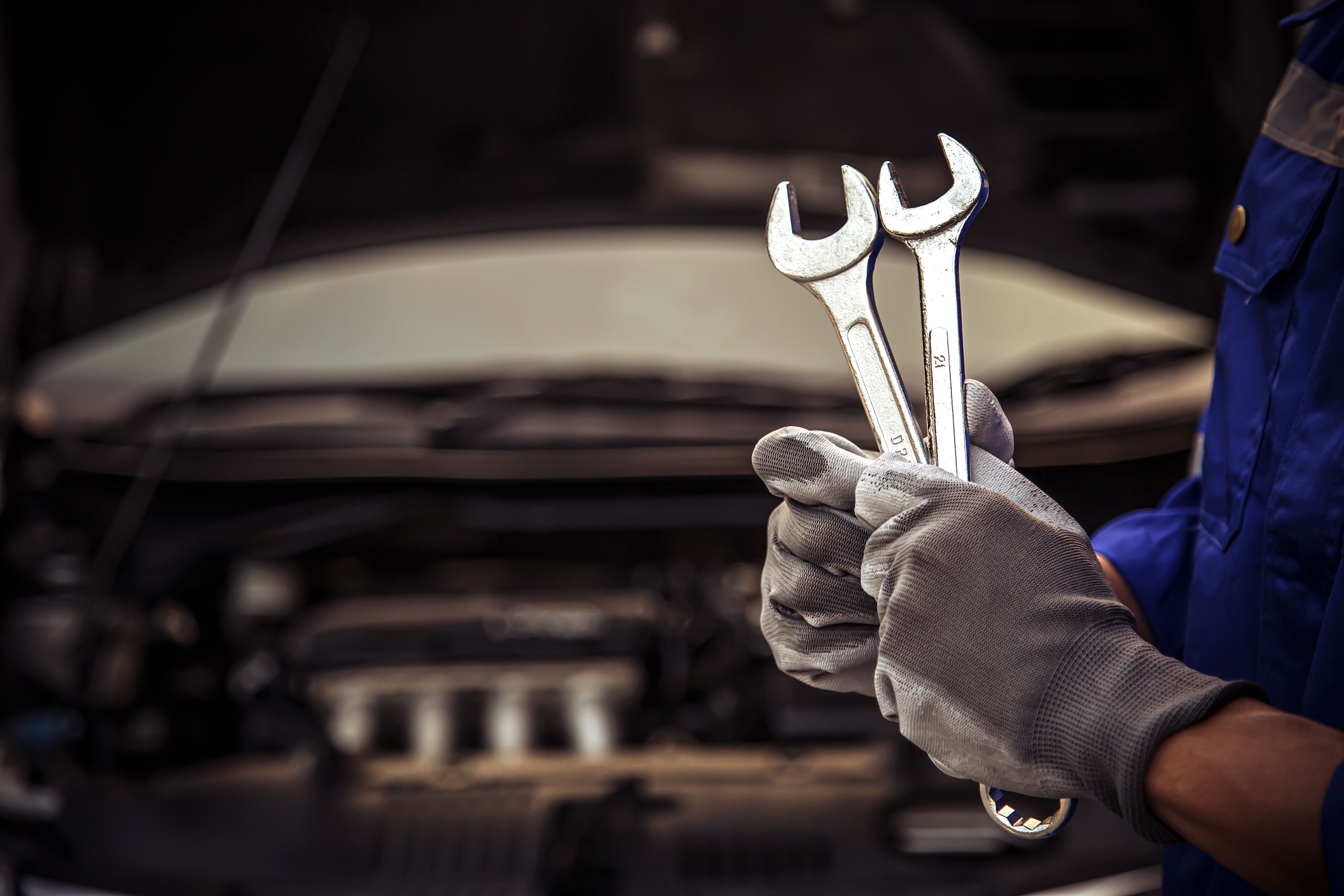
Regardless of the season, regular vehicle maintenance is crucial. Ensure your brakes, lights, and windshield wipers are in good working order. Keep an emergency kit in your car, including items like a flashlight, blanket, and first-aid supplies. By staying prepared and adjusting your driving habits to match seasonal conditions, you can enjoy a safer driving experience all year round.