Seasonal Driving Tips: Navigating Winter Roads Safely


Preparing Your Vehicle for Winter
Winter driving can be challenging, but with the right preparation, you can navigate snowy and icy roads with confidence. Start by ensuring your vehicle is ready for the season. Check your tires for proper tread and inflation; consider switching to winter tires for better traction. Also, make sure your battery is in good condition, as cold weather can reduce its efficiency.
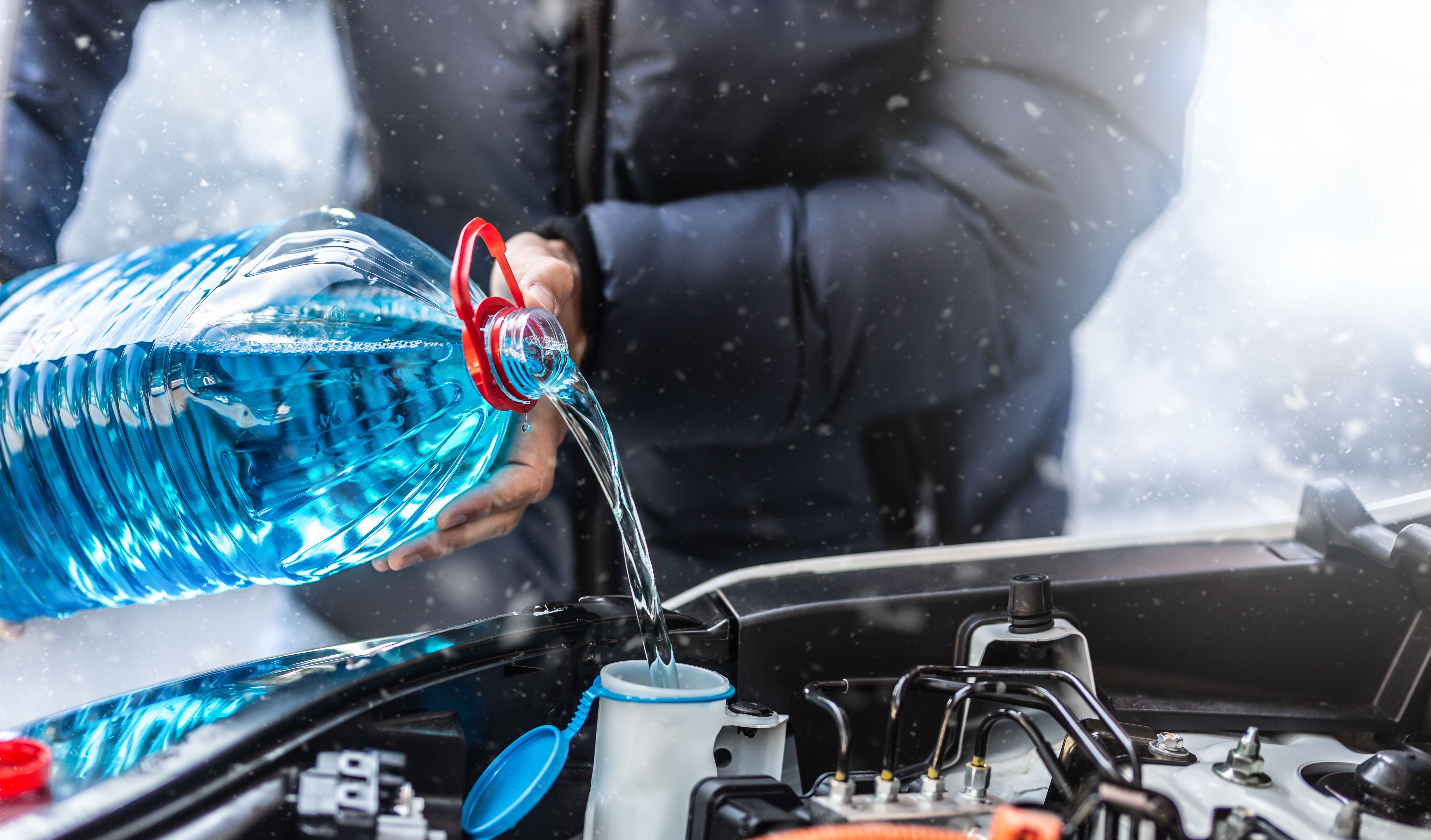
Don't forget to top up your windshield washer fluid with a winter-grade solution and keep your gas tank at least half full to prevent fuel line freeze-up. It's also wise to carry an emergency kit with essentials like blankets, a flashlight, and non-perishable snacks.
Adjusting Your Driving Habits
When driving in winter conditions, it's crucial to adjust your habits to ensure safety. Reduce your speed and increase the distance between your vehicle and the one in front of you. This extra space provides more time to react in case of sudden stops or skids. Remember, stopping distances can be up to ten times longer on icy roads.
Use gentle movements when steering, accelerating, or braking to maintain control of your vehicle. Abrupt actions can easily lead to skidding, especially on slippery surfaces. If your car does begin to skid, stay calm and steer in the direction of the skid while avoiding the brakes.

Understanding Road Conditions
Being aware of road conditions is vital for safe winter driving. Black ice, a thin layer of ice on the road, is particularly dangerous because it's nearly invisible. Pay close attention to shaded areas, bridges, and overpasses, which are prone to freezing first.
Stay informed about weather updates and road conditions before heading out. Many regions provide online resources and apps that can alert you to hazardous conditions and road closures. If conditions are severe, it may be safer to delay your travel until roads are better maintained.

Using Technology to Your Advantage
Modern vehicles often come equipped with technology that can aid in winter driving. Features like anti-lock brakes, traction control, and stability control can help maintain control in slippery conditions. Familiarize yourself with these systems and understand how they work in your vehicle.
Consider investing in a GPS system or a smartphone app that provides real-time traffic updates. These tools can help you find alternative routes and avoid areas with heavy traffic or accidents.

Practicing Safe Winter Driving
Ultimately, the key to safe winter driving is practice. Consider taking a winter driving course to improve your skills and gain confidence on icy roads. These courses often provide valuable tips and techniques for handling your vehicle in various winter scenarios.
Remember to stay calm and patient while driving in winter conditions. Rushing can lead to poor decisions and accidents. By taking the time to prepare and adapt your driving habits, you can enjoy a safer journey through the winter months.