Understanding the Impact of Seasonal Weather on Truck Driving


Introduction
Understanding the impact of seasonal weather on truck driving is essential for ensuring safety and efficiency on the roads. From harsh winter storms to the blazing summer sun, each season presents unique challenges for truck drivers. This post explores how different weather conditions affect truck driving and what drivers can do to prepare for these changes.
Winter Challenges
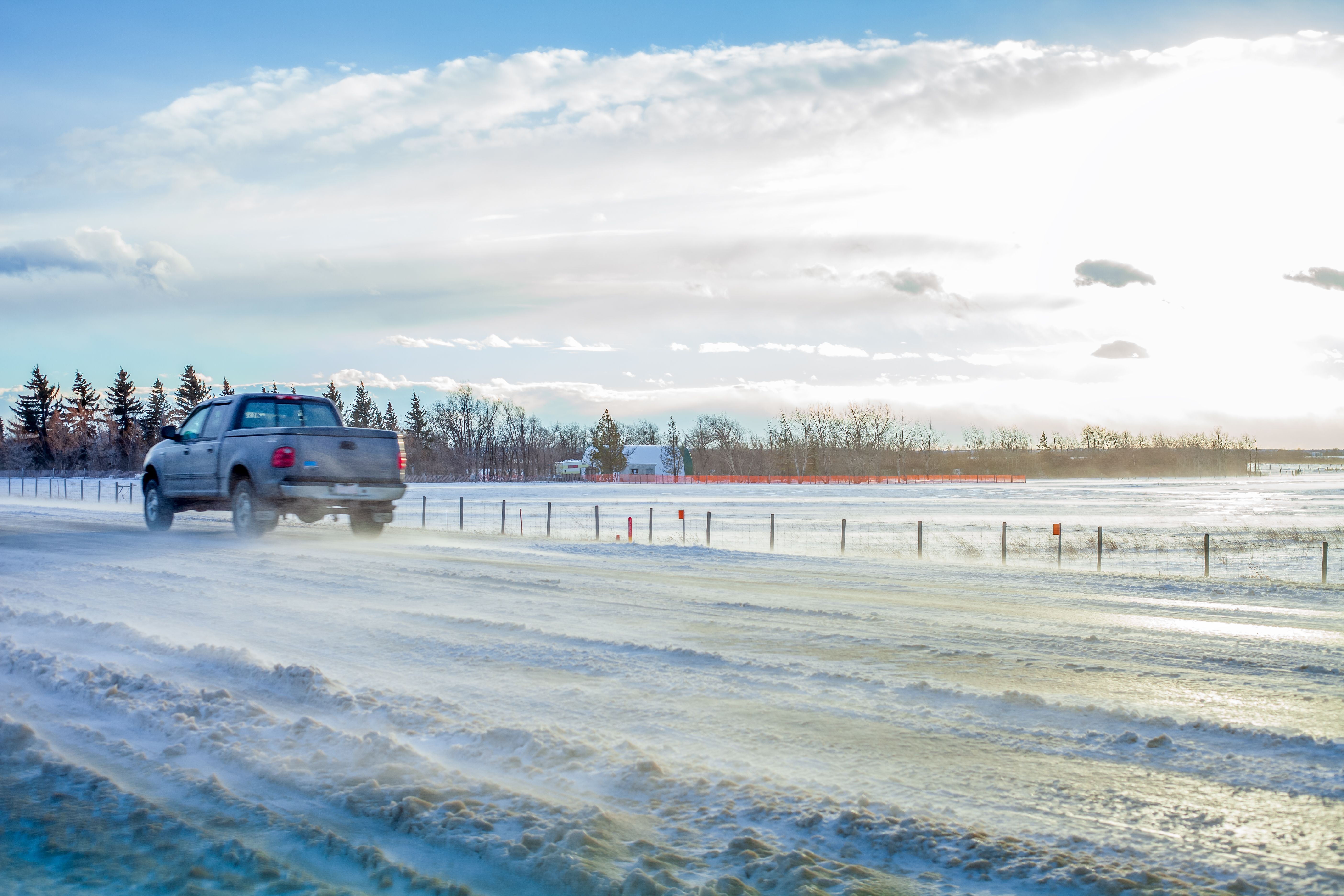
Winter is perhaps the most challenging season for truck drivers. Snow, ice, and reduced visibility can make driving conditions treacherous. Trucks, due to their size and weight, require longer stopping distances, making icy roads particularly dangerous.
Drivers must be prepared with the right equipment, such as snow chains and de-icing fluids. Additionally, it's crucial to check weather forecasts regularly and plan routes that avoid severe weather conditions whenever possible.
Safety Tips for Winter
- Maintain a safe following distance.
- Use headlights and fog lights to improve visibility.
- Keep emergency supplies in the cab.
Spring Showers
Spring brings its own set of challenges with frequent rain showers. Wet roads can reduce traction and increase the risk of hydroplaning. It's essential for truck drivers to adjust their driving style to accommodate these conditions.

Regular maintenance checks, especially on tires and brakes, are crucial during this season. Ensuring that windshield wipers are in top condition is also important for maintaining visibility.
Handling Wet Roads
Here are some key strategies for driving safely on wet roads:
- Reduce speed to maintain control.
- Avoid sudden movements and sharp turns.
- Increase following distance to allow for longer stopping times.
Summer Heat
The summer months can be tough on both trucks and drivers. High temperatures can cause tire blowouts and put a strain on cooling systems. Drivers need to stay hydrated and take regular breaks to avoid heat-related illnesses.

It's also vital to check tire pressure regularly as hot roads can significantly change their condition. Keeping an eye on the engine temperature gauge is essential to prevent overheating.
Staying Cool in Summer
Here are some ways to beat the heat:
- Use sunshades to keep the cab cool.
- Ensure the air conditioning system is functioning properly.
- Wear lightweight, breathable clothing.
Autumn Leaves
Autumn might seem benign, but fallen leaves can create slippery surfaces, particularly when wet. This season also brings shorter daylight hours, affecting visibility.
Drivers should be cautious on rural roads where leaves accumulate and ensure that headlights are clean and functioning properly. This helps in navigating through foggy mornings commonly experienced in autumn.
Preparing for Autumn
Key preparations for autumn include:
- Regularly clearing leaves from windshields and mirrors.
- Using headlights during low-visibility conditions.
- Being aware of potential wildlife crossings.
Conclusion
Each season brings its own set of challenges for truck drivers. By understanding these challenges and preparing adequately, drivers can ensure their safety and the safety of others on the road. From winter's icy grip to summer's scorching heat, staying informed and vigilant is key to successful truck driving throughout the year.